
The Allure of Chance
Casinos have long been places of fascination, drawing individuals in with the promise of excitement and the allure of chance. The thrill of potentially winning big plays a significant role in why many choose to gamble. This excitement triggers the release of dopamine, a neurotransmitter associated with pleasure and reward, creating a sense of euphoria that can be addictive. When exploring the depths of this phenomenon, one canread more about how understanding this psychological response can help explain why players consistently return despite the odds being against them.
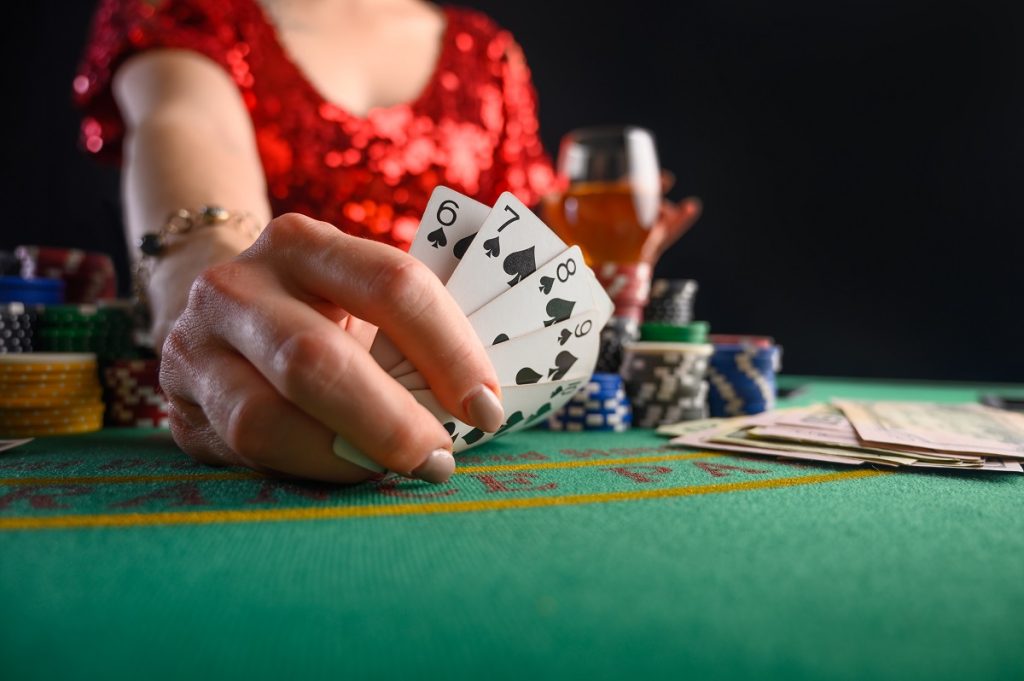
The unpredictability of outcomes also contributes to the appeal of casino gaming. The feeling of uncertainty can heighten emotions, making each spin of a slot machine or roll of the dice feel like an epic moment. This tension fuels players’ desires to keep playing, chasing the next win that could change their lives. It’s this psychological push and pull that keeps players engaged for extended periods, often leading to both remarkable highs and inevitable lows.
The Impact of Environment
The environment of a casino is meticulously crafted to enhance the gaming experience. Bright lights, vibrant colors, and upbeat music work together to create an immersive atmosphere that stimulates a player’s senses. This sensory overload can lead to a state of heightened arousal, making individuals more likely to take risks. The layout of casinos is also designed to encourage exploration, enticing players to wander deeper into the gaming area, thereby increasing their likelihood of spending more time and money.
Moreover, casinos often employ tactics such as complimentary drinks and free bonuses to keep players on the floor longer. These rewards create a sense of loyalty and can lead to an emotional connection with the venue, further enticing players to return. It’s a strategic blend of psychology and marketing that keeps the gaming experience pleasurable, ensuring that players are absorbed in the moment, often forgetting the financial stakes involved.
The Role of Superstitions
Superstitions and rituals are commonplace among casino-goers and stem from a psychological need to exert some control over the randomness of gambling. Many players believe that certain behaviors, such as wearing lucky clothing or performing specific actions before placing a bet, can influence their success. This sense of control, however illusory, can enhance the enjoyment of gambling and provide emotional comfort in the face of uncertainty.
This phenomenon illustrates a broader psychological principle known as the “illusion of control,” where individuals believe they can influence outcomes that are inherently random. Such beliefs can lead players to engage more frequently and place larger bets, as they feel empowered by their supposed ability to sway the odds in their favor, underscoring the deep interplay between psychology and gambling behavior.
The Thrill of Winning and Loss Aversion
The joy derived from winning can be exhilarating, but the fear of losing often outweighs the excitement of winning in the minds of players. This concept, known as loss aversion, is rooted in behavioral economics and suggests that people prefer to avoid losses rather than acquiring equivalent gains. In a casino context, this means that players are likely to chase losses, believing they can recover what they’ve lost, even if it leads to more significant financial trouble.
This cycle of chasing losses can create a precarious psychological trap for players. They may develop an emotional investment in the outcome of their gambling, leading to poor decision-making and an inability to walk away from the tables. The thrill associated with winning reinforces this behavior, making it challenging for players to recognize when they should stop. The psychological stakes amplify the risks and rewards involved in casino gambling, heightening the entire experience.

Understanding Your Gambling Behavior
To navigate the complexities of casino gambling, it’s essential to understand the psychological mechanisms at play. Many players may benefit from increasing their awareness of how emotions, environment, and even superstitions influence their decision-making processes. By recognizing these factors, individuals can develop healthier gambling habits and make more informed choices about when to play and when to stop.
In doing so, players can enjoy the experience of gambling while mitigating the risks associated with addiction and financial loss. For anyone looking to explore the world of casinos, understanding these psychological elements is key to maximizing enjoyment and minimizing detrimental effects. Remember that gambling should be approached as a form of entertainment rather than a surefire way to make money.